




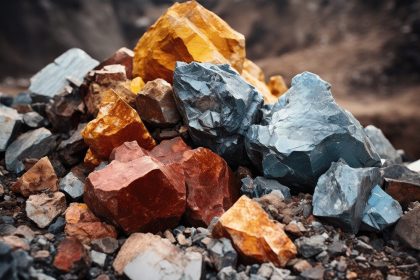
…Why America must quickly activate 18 U.S.C. § 2339A/B, 18 U.S.C. § 2339C and 18 U.S.C. § 2332f to go after alleged financiers, material supporters of ISWAP, Boko Haram
*“Only America can play all the roles, because of all world powers, America alone has the credibility to shape sustainable solutions to these challenges”– Anders Fogh Rasmussen, former prime minister of Denmark and a former secretary-general of NATO
AMERICA’S 2025 Global Recognition Investigative Journalism Award winner, Dr George Elijah Otumu, Executive Editor & Group Managing Director/Naija Standard Newspaper Inc USA, being a foremost Africa’s mainstream, online news medium in North America has officially dragged the 47th President of the United States, Donald Trump to the International Criminal Court, ICC, in The Hague, Netherlands through QC Counsel in England seeking the judicial interpretations of the United States constitutional violation of 18 U.S.C. § 2339A/B, 18 U.S.C. § 2339C and 18 U.S.C. § 2332f meant to flush out international terrorists’ and its supporters cum financiers in Nigeria as well as to know why America is still eyeing the nation’s rare earth minerals.
In the emergency summons laid bare before the 18 judges of ICC, this investigative journalist is challenging the premise at which America’s Unmanned SPY Fighter Most Lethal F-35 Plane only occupies airspaces in Borno, Sokoto states without expanding its operations into Kogi, Kwara, Kebbi for terrorists’ detection, surveillance, reconnaissance and obliteration.
The Applicant is claiming in an originating summons that with the seamless intelligence sharing ongoing between the Office of Nigeria’s National Security Adviser, Nuhu Ribadu and the Pete Hegseth’s Department of War in Washington, the names, identities and bank account details of all the alleged financiers, supporters of ISWAP, Boko Haram, kidnappers in the country already known to the authority should be acted upon swiftly, arrested and prosecuted to the full extent of the law.
While waiting for this case to get a scheduled date of Pre-trial at Oude Waalsdorperweg 10, 2597 AK in The Hague, I strongly believe the ICC serves as a permanent international court, complementing national judicial systems around the world.
Yes, the U.S. is not an ICC member primarily due to concerns about its military and officials facing politically motivated prosecution, potential clashes with U.S. constitutional rights (like trial by jury), and a desire to maintain sovereign control over its citizens.
Non membership of U.S in ICC are traceable to the following reasons:
Fear of Political Prosecution: The U.S. fears that its military personnel and leaders could be target by the ICC for political reasons, not just evidence, especially given America’s global military presence.
Constitutional Conflicts: Some U.S. laws and constitutional principles, such as the right to trial by jury and specific due process rights, are seen as incompatible with ICC procedures.
Sovereignty Concerns: The U.S. is wary of ceding judicial authority over its citizens and actions to an international body, preferring to handle such matters domestically.
Unequal Justice: The U.S. initially sought conditions, like UN Security Council veto power over cases, to ensure a fairer standard, but when these were rejected, it opposed the treaty.
Despite all these, the U.S. should not be seen as the legislator, judiciary and executor in matters concerning the enforcement of binding federal statutes in America Constitution with a wide latitude into international community coverage, as mentioned earlier in 18 U.S.C. § 2339A/B, 18 U.S.C. § 2339C and 18 U.S.C. § 2332f.
This multiple, award-winning Nigerian international editor summed up his position being that under the United States Africa Command, AFRICOM, France, United Kingdom, U.S., jointly deployed GLF5 ISR N529RL, a modified Gulfstream G5 powerful, long range intelligence surveillance primarily in the Northeastern region of Africa’s most populous black nation in the world recently.
*Trump’s interest in African Minerals:
Donald Trump’s focus on rare earths involves securing African minerals, including Nigeria’s, to counter China’s dominance, leading to U.S efforts for partnerships in exploration and processing, but also sparking tensions, with Nigeria threatening mineral trade retaliation if banned, highlighting Africa’s strategic role in critical minerals for U.S tech and defense.
Strategic Priority: Accessing critical minerals (lithium, cobalt, nickel, rare earths) is a core goal for the Trump administration to reduce reliance on China.
Countering China: Trump aims to break China’s control over global rare earth supply chains, utilizing executive orders and trade leverage.
Untapped Potential: Nigeria, like other resource-rich African nations, is a target for U.S partnerships in mining, geological mapping, and value addition.
*Mineral Leverage: Nigeria has warned the U.S it could lose access to West African strategic minerals, including rare earths, if the U.S expands travel bans to include Nigeria.
*US-Africa Mining Focus: The U.S seeks strategic partnerships in Africa’s mining sector, shifting from rhetoric to practical cooperation, including technology sharing.
*Conflict Minerals: The U.S is also involved in securing minerals in conflict-affected areas, like the DRC, through peace deals.
A potential conflict exists between US security interests in securing minerals and African nations asserting control over their resources, with trade as a bargaining chip.
*Trump’s beef with Nigeria:
Many in the business circle around the world hold the belief that Trump’s threats of military action against Nigeria are not about Christian genocide, but about rare earths, China, and the scramble to control Africa’s mineral future.
Trump’s erratic through his self-serving threat to invade Nigeria under the pretext of stopping a so-called Christian genocide. Trump tweeted on 31 October 31 and November 1st, 2025, that “Christianity is facing an existential threat in Nigeria,” named Nigeria as “a country of particular concern,” and announced that the U.S was “ready, willing and able to save our Great Christian population around the World.” He also ordered the military to prepare to intervene in Nigeria and boasted that “if we attack, it will be fast, vicious and sweet.”
Trump has often been described as a narcissist-someone who is deeply self-infatuated and impulsively seeks attention and adulation. Earlier this year, John MacArthur, the publisher of Harper’s magazine, writing in The Guardian, described him instead as a solipsist-a word he borrowed from the investigative psychiatrist Robert Lifton. A solipsist is someone who makes no attempt to court or please others, since the only point of reference is himself. Solipsists revel in making outrageous statements because they love being attacked to draw attention to themselves.
It is easy to dismiss Trump’s inflamed anti-Nigeria rhetoric as the rants of a narcissist or solipsist, since anyone who is familiar with Nigeria knows that the violence in that country affects both Christians and Muslims. “He cannot be serious,” some have argued. However, his insanity or wild outbursts may not be without material foundation. Trump often follows through on his rants if he does not face stiff resistance-especially when his anger is directed at groups, individuals or institutions he considers weak.
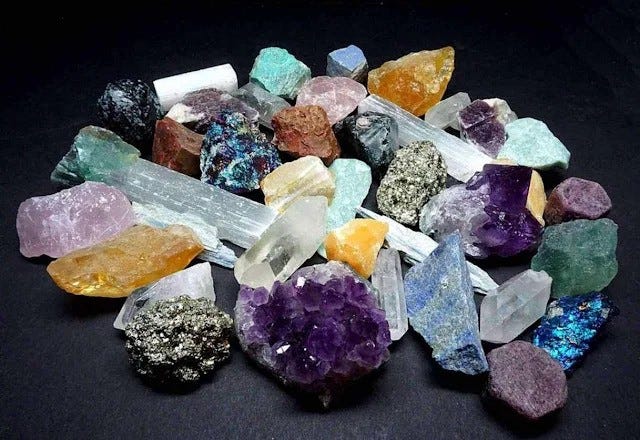
Nigeria is located within a resource-rich region that is important to the supply chains of U.S hi-tech companies and defense industries. That region stretches from Nigeria through Niger and Chad to Sudan and is endowed with vast amounts of rare earth minerals.
Apart from oil, Nigeria has enormous reserves of lithium, cobalt, nickel and other rare earths, which are embedded in solid rock and heavy mineral sands. It is ranked fifth globally in the production of rare earth elements-behind China, the U.S, Myanmar and Australia.
Segun Adeyemi recently reported in Business Insider Africa that Chinese companies have invested more than USD 1.3 billion in Nigeria’s fast-growing lithium-processing industry. Combined with the leverage that Russia now wields in the mineral-rich Sahel states of Niger, Burkina Faso and Mali, China’s growing economic influence in West Africa’s regional power, Nigeria, should be of serious concern to the U.S, since China already dominates the global rare earths industry.
The U.S has been strategizing about how to end its high level of dependence on China for rare earths, which are essential for clean energy, such as electric vehicles, solar panels and wind turbines, and in electronic consumer products, such as LED television screens, computers and smart phones. These minerals are also required to produce jet engines, missile guidance and defense systems, satellites and GPS equipment.
After threatening China with a 140 per cent tariff when China imposed restrictions on the global supply of rare earths, Trump quickly ‘danced-back in a circle’ in his recent meeting with China’s president, Xi. He realized that a trade war with China on rare earths would profoundly hurt the U.S economy. Under the deal he struck with Xi, Trump agreed to end the tariff threat and lift the ban on Chinese companies’ access to US chips, while Xi agreed to restart China’s supply of rare earths and purchase US soybeans for one year. Trump praised Xi as a great leader when he returned to the US.
Trump administration sees Africa as an important source of critical minerals that will help wean the U.S off China. The administration brokered a peace deal between the Democratic Republic of Congo (DRC) and Rwanda in June 2025, which included an investment agreement that allows the US to invest in DRC’s minerals.
Deals with other countries, such as Kenya, Tanzania, Angola, Malawi and Namibia are being discussed or supported. For the records, in 2022, the U.S and other Western countries launched a fourteen-member minerals security partnership (MSP) to boost the production and supply of critical minerals that will benefit member states. The MSP works with the multilateral financial institutions and export credit agencies to provide finance for specific projects. It holds forums with a number of countries that produce rare earths, including the DRC, Botswana and Zambia.
When Trump suspended the US’s aid program and declared a trade war with the rest of the world in April 2025, several African and other leaders rushed to make deals with him.
It was later revealed in July 2025, that seventeen countries (including six from Africa- Angola, DRC, Liberia, Mozambique, Rwanda and Somalia) have hired Trump loyalists as lobbyists to help broker deals, “with many bartering key resources including minerals in exchange for humanitarian or military support.”
The use of war to pursue U.S strategic and economic interests is well documented in the field of geopolitics and international political economy. During the Cold War, the U.S and other Western countries simply intervened in countries that threatened their vital interests without bothering to disguise their actions with lofty humanitarian objectives.
Often, when U.S interests were threatened, rather than go to war U.S leaders relied on the CIA to work with local disaffected elements in the military to engineer a change of government or stylishly remove the incumbent president. The cases are overwhelming-such as the ‘take-out’ of Congo’s Patrice Lumumba in 1961 and Salvador Allende of Chile in 1973, and the overthrow of Mohammed Mossadegh of Iran in 1953. All these countries had huge mineral resources.
The rationale used by the U.S and its Western allies for invading countries changed when the Cold War ended in the 1990s and the U.S emerged as the sole superpower. The concept of humanitarian intervention gained ground within the United Nations system. This involved the U.S and other Western powers working through the UN to end wars and rebuild war-battered societies.
During that period, the U.S felt it did not face any existential threat, like communism, and could act as a moral force or policeman of the world while hiding its real interests. That posture rhymed with the values of the unipolar world: the spread of democracy, human rights and economic or market liberalism.
The U.S, however, faced strong resistance from most countries when it tried to use humanitarianism to overthrow governments it did not like without evidence to support its claims. Matters came to a head in 2003 over Iraq, which the U.S invaded under the humanitarian pretext of disarming it of weapons of mass destruction. It turned out that there were no such weapons. The U.S was simply after Iraq’s oil.
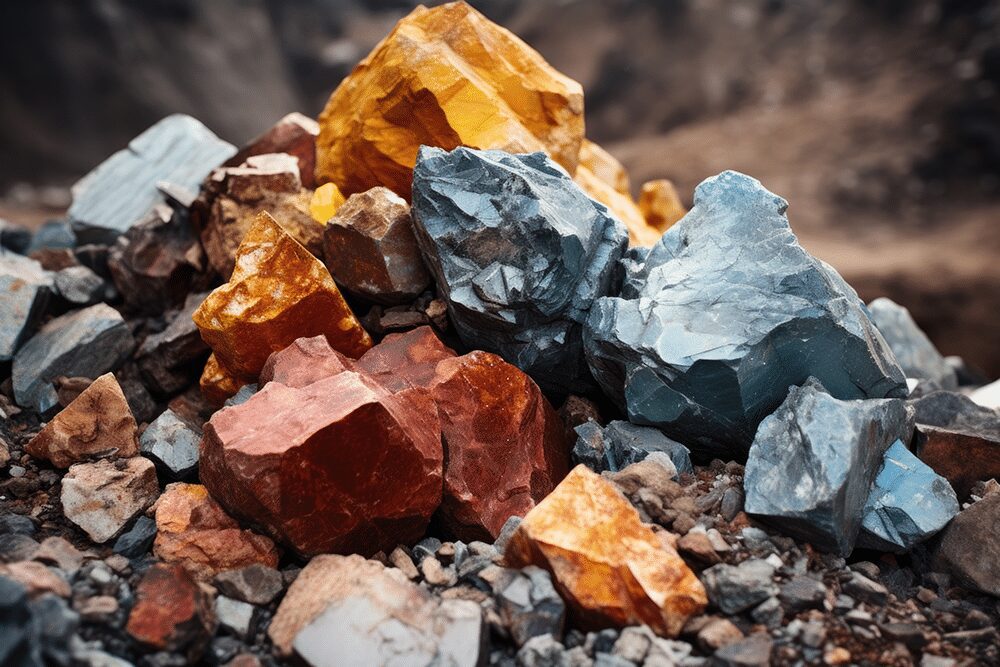
Nigeria holds significant, untapped reserves of Rare Earth Minerals primarily in monazite sands, with notable deposits in Plateau, Kaduna, Niger, Nasarawa, and Cross River States, containing elements like neodymium, cerium, and lanthanum crucial for tech/EVs, alongside other minerals like lithium, columbite, and titanium, though development faces challenges like data gaps and funding despite government efforts for in-country processing plants.
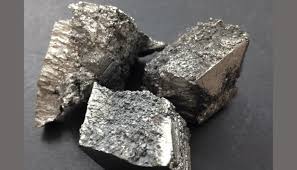
*Key Minerals & Locations in Nigeria:
*Monazite: Main source of REEs, found in heavy mineral sands (Plateau, Kaduna, Niger, Cross River).
*Lithium, Columbite, Tantalite: Present in Nasarawa, Kogi, Benue, Taraba.
*Titanium (Ilmenite/Rutile): In coastal sands.
*Scandium: Potential from bauxite deposits (Plateau, Ekiti).
*Other REE-bearing minerals: Zircon, xenotime.
*Potential & Applications:
*High Demand: Essential for wind turbines, electric vehicles (EVs), smartphones, and electronics.
*Economic Diversification: Offers a path away from oil dependence, boosting GDP and creating jobs.
*The U.S. as Global policeman:
This is an informal term for a superpower which seeks or claims the right to intervene in other sovereign states. It has been used, firstly for the United Kingdom, UK, and, since 1945, for the United States.
The UK made efforts to end the slave trade through the West Africa Squadron. In 1827, Britain, jointly with France and Russia, intervened on the side of Greek independence, destroying the Turkish fleet at the Battle of Navarino. In 1854, Britain, jointly with France, prevented Russia from destroying the Ottoman Empire. Russia had to withdraw from Moldavia and Wallachia, and Sevastopol was besieged in the Crimean War.
From 1914–1945 no one state was hegemonic, with Britain’s power decreasing, but still very much a leading, world role, and with rising powers such as the United States, the Empire of Japan, and later Nazi Germany and the Soviet Union. In an era of multipolarity and diffused responsibility, fascist dictators arose and Europe sank into two world wars. According to Richard J Evans, “The authoritarian German challenge to democratic Britain then, is comparable to the authoritarian Chinese challenge to democratic America now.”.
Between the years 1945 and 1990, the world trade was dominated by the Soviet Union and the United States in what was known to be the Cold War.
The Truman Doctrine of 1947 promised assistance to anti-communist allies. “The right of neutrality was abolished… it was an era of aggressive peacetime policy which marked the beginning of America’s role as global policeman.
A historian, former prime minister of Denmark and a former secretary-general of NATO, Anders Fogh Rasmussen once argued that “Only America has the material and moral greatness to stop the slide into chaos and foster peace in the world. U.S. will only be able to shape the solutions the world needs if its leaders act with conviction. When America retrenches and retreats-if the world even thinks that American restraint reflects a lack of willingness to engage in preventing and resolving conflicts-it leaves a vacuum that will be filled by crooked autocrats across the world.
“Only America can play all these roles, because of all world powers, America alone has the credibility to shape sustainable solutions to these challenges. Russia is obsessed with rebuilding the empire the Soviet Union lost. China is still primarily a regional actor. Europe is weak, divided and leaderless. The old powers of Britain and France are simply too small and exhausted to play the global role they once did.
This is not simply about means. It is also about morality. Just as only America has the material greatness to stop the slide into chaos, only America has the moral greatness to do it-not for the sake of power, but for the sake of peace.”
He added: “The Middle East is torn by war. In North Africa, Libya has collapsed and become a breeding ground for terrorists. In Eastern Europe, a resurgent Russia has brutally attacked and grabbed land by force from Ukraine. China is flexing its muscles against its neighbors-and the rogue state of North Korea is threatening a nuclear attack.
“In this world of interconnections, it has become a cliché to talk about the global village. But right now, the village is burning, and the neighbors are fighting in the light of the flames. Just as we need a policeman to restore order; we need a firefighter to put out the flames of conflict, and a kind of mayor, smart and sensible, to lead the rebuilding.”
*U. S Anti-Terrorism Law:
U.S. anti-terrorism law is a complex framework focusing on preventing, investigating, and punishing terror acts worldwide, heavily shaped by the USA PATRIOT Act of 2001, which expanded surveillance & financial monitoring, and the 18 U.S. Code Chapter 113B statute defining federal terrorism crimes like material support. Key laws target financing, material support, bombings, and domestic terrorism, with agencies like the Federal Bureau of Investigations, FBI and Department of Homeland Security, DHS enforcing them through enhanced tools for intelligence sharing and prosecution, balancing security with civil liberties.
18 U.S. Code Chapter 113B: The core federal statute defining terrorism offenses, including providing material support (18 U.S.C. § 2339A/B), financing terrorism (18 U.S.C. § 2339C), and bombings (18 U.S.C. § 2332f).
Material Support: Providing resources or training to designated terrorist organizations is a major federal crime.
Terrorist Financing: Laws aim to cut off funding through financial scrutiny and reporting requirements.
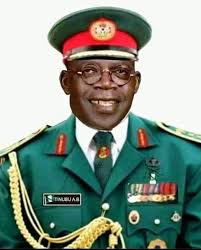
* Nigeria’s President, Tinubu’s plan to tackle insecurity:
President Bola Ahmed Tinubu of Nigeria a few weeks ago declared a nationwide security emergency, unveiling a series of measures he said are intended to confront criminals “with courage and determination” and restore peace across the country.
He assured his administration is committed to going all out against terrorists, bandits and other violent groups that have continued to torment Nigerians.
He said the government has the capacity and the will to make the country safe, adding that citizens deserve to live without fear.
To achieve this, the president directed the police and army to commence massive recruitment exercises, pledged support for states operating their own security outfits, and asked the National Assembly to amend relevant laws to allow states willing to do so to establish their own police forces.
*Police to recruit 50,000 personnel:
A major component of the new security push is large-scale recruitment into the police and the military. By Tinubu’s declaration, the Nigeria Police Force is now authorised to take in an additional 20,000 personnel, raising the total number of new officers to 50,000.
He explained that boosting manpower is essential to confronting insecurity nationwide, especially in communities where police presence is weak or non-existent.
This directive follows on earlier approvals by Tinubu for the nationwide upgrade of police training facilities. In addition, police authorities have now been empowered to use National Youth Service Corps (NYSC) camps as temporary training depots to fast-track the capacity-building process, the statement said.
Tinubu also instructed the withdrawal of police officers from VIP escort and guard duties. Those withdrawn, he said, will undergo “crash training” to prepare them for deployment to frontline areas where their services are urgently required.
The goal, according to him, is to “debrief them and deliver more efficient police services” in communities grappling with insecurity.
*SSS to deploy trained forest guards:
Another major element of the emergency declaration is the deployment of trained forest guards under the State Security Services (SSS).
The president said the agency has received his “immediate” authorisation to send out all forest guards already trained specifically to confront terrorists, bandits and armed groups operating from forests across the country.
He described forests as a major sanctuary for criminal gangs and insisted that such spaces must no longer serve as safe havens.
“The agency also has my directive to recruit more men to man the forests. There will be no more hiding places for agents of evil,” he said.
By strengthening intelligence and surveillance capacities in forests, the government hopes to disrupt the operations of violent groups who use these terrains for planning attacks, storing weapons and holding abducted victims.
*Support for state policing initiatives:
President Tinubu called on the National Assembly to begin reviewing existing laws to enable states that desire it to establish their own police force.
This marks one of the strongest indications yet that the federal government is ready to decentralise policing in response to escalating insecurity and increasing pressure from state governments. Although Tinubu has advocated for state police in the past, he has not used his office to strongly push for the National Assembly to make it a reality. He now appears ready to do so.
In his statement, Tinubu said states willing to run their own policing systems must be given the legal backing to do so. He added that his administration would support states that have already created security outfits to complement federal structures.
His appeal on state policing made to lawmakers signals early steps towards a constitutional and legal rethink of Nigeria’s highly centralised security framework.
*States warned against sitting boarding schools in remote areas:
As part of the emergency measures, Tinubu cautioned state governments against establishing boarding schools in remote or poorly secured areas.
Citing the rising pattern of school abductions, the president said the safety of students must now take priority over convenience or expansion drives. He urged states to reassess existing school locations and ensure adequate security is provided before approving or running boarding facilities. Under Tinubu, there have been mass kidnapping of students in states like Kebbi and Niger.
*Mosques and Churches:
The Nigerian leader asked churches and mosques to seek security protection for large gatherings.
“Mosques and churches should constantly seek police and other security protection when they gather for prayers, especially in vulnerable areas,” he said, warning that soft targets must no longer be left exposed.
This directive reflects the government’s concern over the frequency of attacks on religious gatherings and rural communities, many of which occur in places where security presence is thin.
*End of open grazing and push for ranching:
Addressing persistent clashes between herders and farmers, President Tinubu reiterated the role of the newly created Ministry of Livestock in resolving the crisis and promoting modern livestock management.
He called on herders’ associations to engage fully with the ministry, embrace ranching, and abandon open grazing practices which have fuelled deadly conflicts in multiple states.
Tinubu also urged herders in possession of illegal arms to surrender them, emphasising that fully adopting ranching is “the path forward for sustainable livestock farming and national harmony.”
According to him, the federal and state governments will collaborate closely to ensure the livestock sector is reformed “once and for all.”
*Tinubu, a political strategist:
Tinubu’s outspokenness, vibrancy and firebrand politics greatly aided the All Progressives Congress, APC’s victory in the last general elections in no small measure.
This political icon famously called ‘The Jagagban of Nigerian politics’ is seeing by millions of Nigerians as an outside-the-box thinker, great mobiliser and grassroots politician, for his contributions to the entrenchment of democracy in the country.
Others see in him a political bridge builder, a long-time kingmaker for his unique politics established him in the hearts of the people with magnetic passion and altruistic followership.
Even if you decide to like or detest him, Tinubu is laser focused to bring the raging and alarming insecurity in the country to a minimal low or to an end.
*International Criminal Court:
I am in the know that the ICC’s 18 judges are elected by the Assembly of States Parties for their qualifications, impartiality and integrity, and serve 9-year, non-renewable terms. They ensure fair trials and render decisions but also issue an arrest warrant or summons people or institutions to appear, authorize victims to participate, order witness protection measures, and more. They also elect, from among themselves, the ICC President and two Vice-Presidents, who head the Court.
If the United States refuse to effectively rise up to this moment to ensure its Spy fighter jets, drone trackers route and takes out ISWAP, Boko Haram and other kidnappers not only in the North East region of the country, but in Kwara, Kogi, Kaduna most especially, then that is a violation of the United States federal statutes of 18 U.S.C. § 2339A/B, 18 U.S.C. § 2339C and 18 U.S.C. § 2332f to go after alleged financiers, material supporters of terrorists around the world.
Guess what? I just got woke up from bed a few seconds ago, having slept for over nine hours after an exhaustive birthday celebration the previous day. Wow, does that mean the legal case to ICC happened in land of the dream?
This is hard for me to comprehend, since I thought it happened in real life. The fact that the incidence happened in the dream world did not underestimate the significance of the subject matter or distill the impact of its seriousness by relevant stakeholders in bringing an enduring security and a lasting peace to Nigeria.
Remember, Opinion journalism is a type of journalism in which the journalists give their own commentary, analysis or interpretation of an issue or attempts to persuade the reader of a certain viewpoint. It is a type of writing in which the author expresses thoughts, viewpoints, opinions, or feelings on a topic of their choosing and it is constitutional.
For further analysis on this topic, find it free to leave me a WhatsApp message directly on my American roaming mobile phone number at: +1.682.583.4890 or email me at: Naija222@gmail.com
DONATE TO HELP BUILD A SPECIAL APPS FOR JOURNALISTS AGAINST LIVER ELEVATION & KIDNEY FAILURE:
CERTAINLY, Good journalism costs a lot of money. Without doubt, only good journalism can ensure the possibility of a good society, an accountable democracy, and a transparent government. We are ready to hold every corrupt government accountable to the citizens. To continually enjoy free access to the best investigative journalism in Nigeria, we are requesting of you to consider making a modest support to this noble endeavor.”
By contributing to NAIJA STANDARD NEWSPAPER, you are helping to sustain a journalism of relevance and ensuring it remains free and available to all without fear or favor.
Your donation is voluntary — please decide how much and how often you want to give.
FOR OFFLINE OR ANONYMOUS DONATION ON THIS PROJECT OR HELP COVER COST FOR SERIES OF UNDERCOVER REPORTING IN INVESTIGATIVE JOURNALISM, DO PAY DIRECTLY FROM ANYWHERE IN THE WORLD TO: NIGERIA BANK NAME-MONIEPOINT *BANK ACCOUNT NUMBER: 7076577445
Feel free to send us an email: letters@nigeriastandardnewspaper.com or call us directly at +2347076577445 (Nigeria) or WhatsApp American Roaming Mobile Number: +16825834890 (Chat messages only available)
donation
