




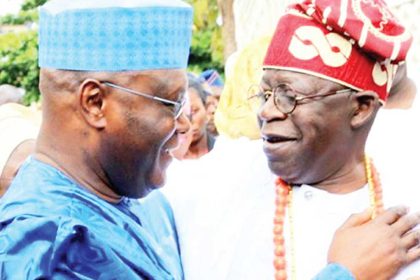
*“To say nothing is saying something. You must denounce things you are against, or one might believe that you support things you really do not”-Germany Kent
*“Truth is hard, propaganda is cheap”-DaShanne Stokes
*“It’s not unpatriotic to denounce an injustice committed on our behalf, perhaps it’s the most patriotic thing we can do”-E.A. Bucchianeri, Brushstrokes of a Gadfly
*By Dr. George Elijah Otumu
Dear Fellow Citizens,
THERE are moments in life when we keep quiet, watch events unfold, since times and season happen to everything under the Heavens. There are some moments our silence is akin to complicity, nonchalant and attitude indifference in the face of an obvious anomaly. And there are other moments when we speak up, albeit reluctantly when we notice that the navigation of our voyage is not necessarily sailing us to the much awaited ‘promise-land of milk and honey’, with only the exit ramp available is to change the course of our movement and re-direct our compass to the right direction to avert a crisis which would be an after-effect of unpredictable wind blowing all of us in various dangerous directions. In the words of Alexander Semenyuk, a great philosopher, he probably had Nigeria in mind when he once postulates: “Often, it is the silence of the good that becomes the most devious thing”.
Nigerian artisans like vulcanizers, tailors, carpenters; shoemaker, taxi drivers, market women and farmers have few things in common: they all survive on daily income to feed their families. And petrol is central to farmers and many of the artisans successfully have economic survival. To that extent, if anything alters that pendulum, no one can guarantee anyway for them to eke out a lawful living in a bid not to starve.
What good is saving a huge amount of fund in Nigeria’s foreign reserve when most homes in Nigeria cannot guarantee adequate three-square meals? What is the essence of having to keep lots of money in our Nigeria’s foreign reserve when a market woman returns home from her trading place sobbing telling her family members, she could not make sale in her business because people could not afford it due to high rise of fuel that farmers incur in transporting goods from the farms to the market? What is the gain for the masses when the children could not go to school defaulting in their tuition or school fees’ payment because their dad, a cab driver, had no money to buy petrol into his taxi to make ends meet?
Latest statistics from the World Bank Group and PwC’s Economic Outlook revealed that Nigeria’s poverty rate in 2026 is projected to stand at approximately 62% to 63%, impacting about 140 to 141 million people. World Bank economic data confirmed that poverty rate is estimated at 62%–63% of the total population by major economic institutions. The affected population of roughly 140–141 million Nigerians live below the poverty line.
The driving, economic factors are:
*Inflation & Living Costs: Persistent food inflation and high energy expenses leave essential prices elevated.
*Food Consumption: Food accounts for up to 70% of total consumption for low-income households.
*Weak Real Incomes: Sluggish wage growth fails to offset ongoing macroeconomic price adjustments.
*Future-Outlook: Analysts expect poverty levels to peak or plateau through 2026 before potentially seeing a marginal decline heading into 2027 and 2028
In its critical economic analysis and report, World Bank did not hold bank its overall appraisal of the present administration in the country, when it claimed “123million Nigerians live in extreme poverty, below $4.20 per day.”
As Nigerian citizens, can we all for a moment break that information down? It says Nigerians live on less than $4 a day, meaning an estimated 69.6% of Nigerians live below the lower-middle-income poverty line of $4.20 per day.
In understanding the economic toil, the current hardship is placing on the majority of Nigerians, World Bank explained that by their own internal data, empirical collection, “Around 50.8% (about 123 million people) live in extreme poverty, Rural poverty rates are near 75.5%, while urban rates are about 41.3%; and Wealth Inequality among top 10% of the population controls the vast majority of resources, skewing median income far below the nominal per capita average”.
Who’s to blame? World Bank offers an answer by listing the underlisted factors in the present Nigerian administration:
*Inflationary Pressures: Soaring costs for food staples, transportation, and energy heavily erode daily purchasing power.
*Macroeconomic Reforms: Currency shifts and subsidy removals have created short-term hardships despite broader GDP growth.
*Job Deficits: Economic growth has not produced enough productive, formal job sectors to pull millions above the threshold.
If your children could not perform well academically in school for three years, do you think the principal of such an educational institution will allow your kids to move into higher class? That is a pointer to the 2027 presidential election. Why must the electorates applaud your lackluster performance with a reward of electing you for another FOUR YEARS? Also, the Holy Book in Luke chapter 16 verse 10 says: “He that is faithful in that which is least is faithful also in much: and he that is unjust in the least is unjust also in much.”
As such, it did not come to me as a surprise, rather ignite my passion to allow the ink of my pen to flow effortlessly when one of President Bola Ahmed Tinubu’s best friends, a highly respected Nigerian to whom they both, in company of others fought the then military dictators into a standstill, Senator Babafemi Ojudu, CON, penned a letter to Aso Rock where he did not hide his overriding patriotism for Nigeria, in the following words: “Please widen the circle of people you listen to. Seek out Nigerians of goodwill from every part of the country, including those who disagree with you. Invite them to speak freely about what is working, what is failing and what needs to change. A leader gains little from advisers who shield him from unwelcome news. He gains much from those willing to tell him the truth while there is still time to act on it.
“Asiwaju, hardship has become the defining experience of too many Nigerians. You may hear that difficult measures were necessary and that the figures now show progress. Even where some indicators are improving, the question you must ask is whether that progress can be felt in an ordinary household. A parent who cannot pay school fees or buy medicine cannot live on a projection of future relief. Progress must mean food on the table, a child in school, treatment for the sick and a reasonable chance to earn a living.”
Being the Nigerian tradition that “An elder cannot be in the marketplace and watch a newborn’s head droop/sag,” Farooq Adamu Kperogi, a Nigerian-American professor, author, media scholar, newspaper columnist, blogger and activist added his weight to this urgent matters arising so that we all, as Nigerians (the electorates) could right the wrong with our votes at the ballot box in the 2027 elections which has become a defining, turning point of our economic survival as a people.
Farooq writes: “Something extraordinary is happening across the world. Governments are losing sleep over the intolerably rising prices of petrol and diesel. They are cutting taxes, subsidizing fuel, capping prices, releasing strategic reserves, relaxing regulations and strong-arming oil companies. Where relief has not yet come, governments are promising it.
Tinubu’s Nigeria is the exception. It is marching callously and ignominiously in the opposite direction. It derives perverse joy and pride in its soulless, cold-hearted strangulation of the people.”
Without mincing word, I should believe it is the greatest disservice to Nigeria and Nigerians for President Tinubu to have removed the fuel subsidy on the day he was sworn into power on May 29, 2023, without necessarily put in place a short-, medium- and long-term economic palliative side-by-side to absorb the shock and attendant effect of the fallout of his action. And I am tempted to believe every action has its consequences. This means whoever advised him to have embarked on the ‘Red Sea’ economic rollout is an enemy of the nation and of the masses.
For the purpose of the context of this discuss, I will peg my realities, commentaries and facts on the following data, variables and analysis: Forex (U.S. to Naira), Petrol Price, Nigerians Standard of Living under former President Olusegun Obasanjo/Atiku Abubakar government, ex-President Umaru Yar’Adua/Jonathan Goodluck, erstwhile President Muhammadu Buhari administration and the Incumbent. At the end of this detailed comparative breakdown, then ask yourself if this direction is the right way to go and how can you continue in this way in the next four years?
*United States Dollars rate under PRESIDENT OLUSEGUN OBANSANJO/ATIKU ABUBAAKAR administration:
The official US Dollar to Nigerian Naira exchange rate moved from ₦94.88/$1 at the start of the Olusegun Obasanjo and Atiku Abubakar administration in 1999 to ₦127.55/$1 when they left office in 2007.
*Exchange Rate Progression:
*1999 (Inauguration): Started at approximately ₦94.88/$1.
*2000–2003: Gradually depreciated, moving past ₦100/$1 and stabilizing near ₦112 – ₦130/$1.
*2007 (End of Tenure): Closed at approximately ₦127.55/$1.
*Total Change: Represented an overall nominal increase of about 34% (₦32.67) over the 8-year term.
*Economic Context
*Stability: Compared to prior and subsequent decades, the exchange rate experienced relatively moderate depreciation.
*External Factors: Supported by rising global crude oil prices (which climbed from under $20 to around $70 per barrel) and major international debt relief initiatives.
*PETROL PRICE for 1999-2007:
- May 29, 1999: Inherited price at ₦20 per litre from the military regime of General Abdulsalami Abubakar.
- June 1, 2000: Increased from ₦20 to ₦30 per litre.
- June 8, 2000: Reduced to ₦22 per litre following nationwide protests and labour strikes.
- January 1, 2002: Increased from ₦22 to ₦26 per litre.
- June – October 2003: Increased from ₦26 to ₦42 per litre.
- May 29, 2004: Increased from ₦42 to ₦50 per litre.
- August 25, 2004: Increased from ₦50 to ₦65 per litre.
- May 27, 2007: Increased to a final peak of ₦75 per litre just before leaving office (later reduced to ₦65 by his successor, Umaru Yar’Adua).
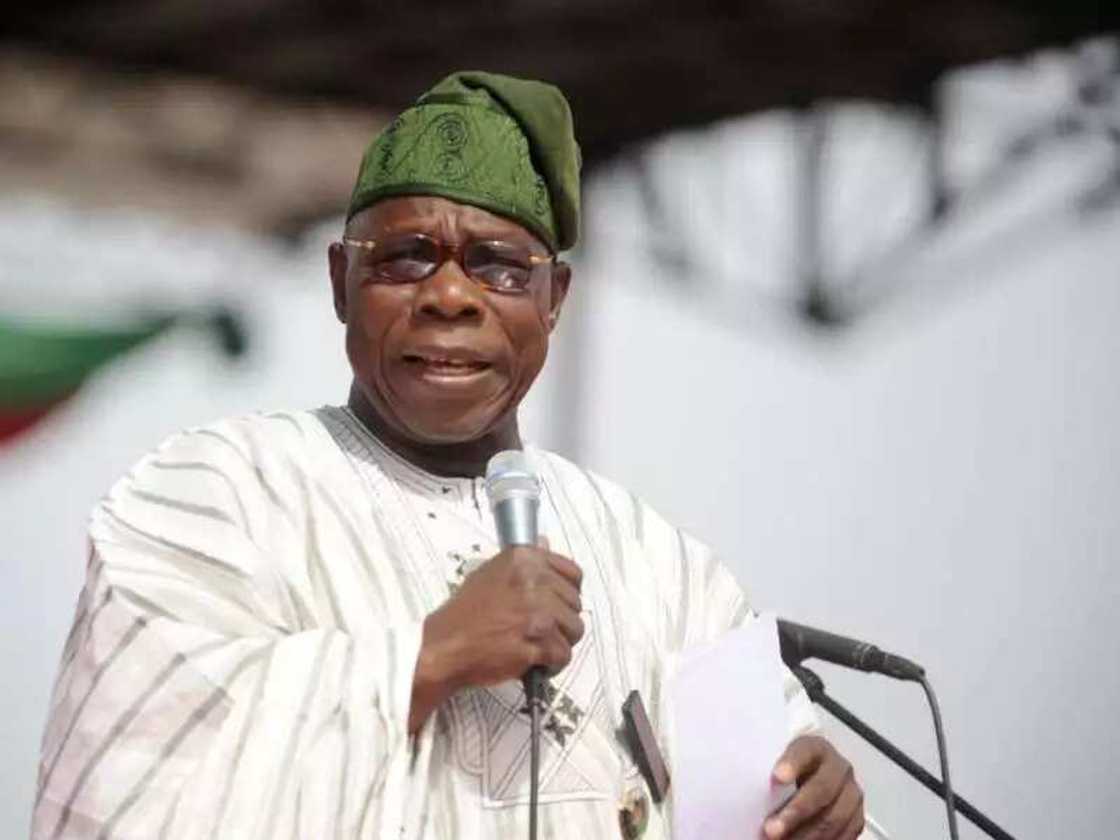
*Nigerians Standard of Living Under OBASANJO/ATIKU:
Nigerians experienced a gradual improvement in their standard of living under President Olusegun Obasanjo administration from 1999 to 2007, driven by economic reforms and poverty reduction, though deep infrastructural deficits remained.
*Economic Growth and Poverty Reduction:
*Poverty Rates: According to the National Bureau of Statistics, the national poverty rate dropped from roughly 70% in 1999 to 54% by 2004
*Income Growth: Real per capita income grew at an average of 4.4% annually during the middle years of his administration, reversing years of economic contraction
*GDP Per Capita: Gross domestic product per capita rose from approximately $482 in 1999 to over $1,500 by 2007, aided by high global oil prices and macroeconomic stabilization.
*Key Sector Improvements:
*Telecommunications: The deregulation and liberalization of the telecom sector replaced scarce landlines with accessible Global System for Mobile Communications (GSM), drastically transforming daily communication and business for ordinary citizens.
*Banking and Finance: Banking sector consolidations strengthened financial institutions and improved public confidence in savings and credit.
*Education: The launch of the Universal Basic Education (UBE) program increased primary school enrollment rates.
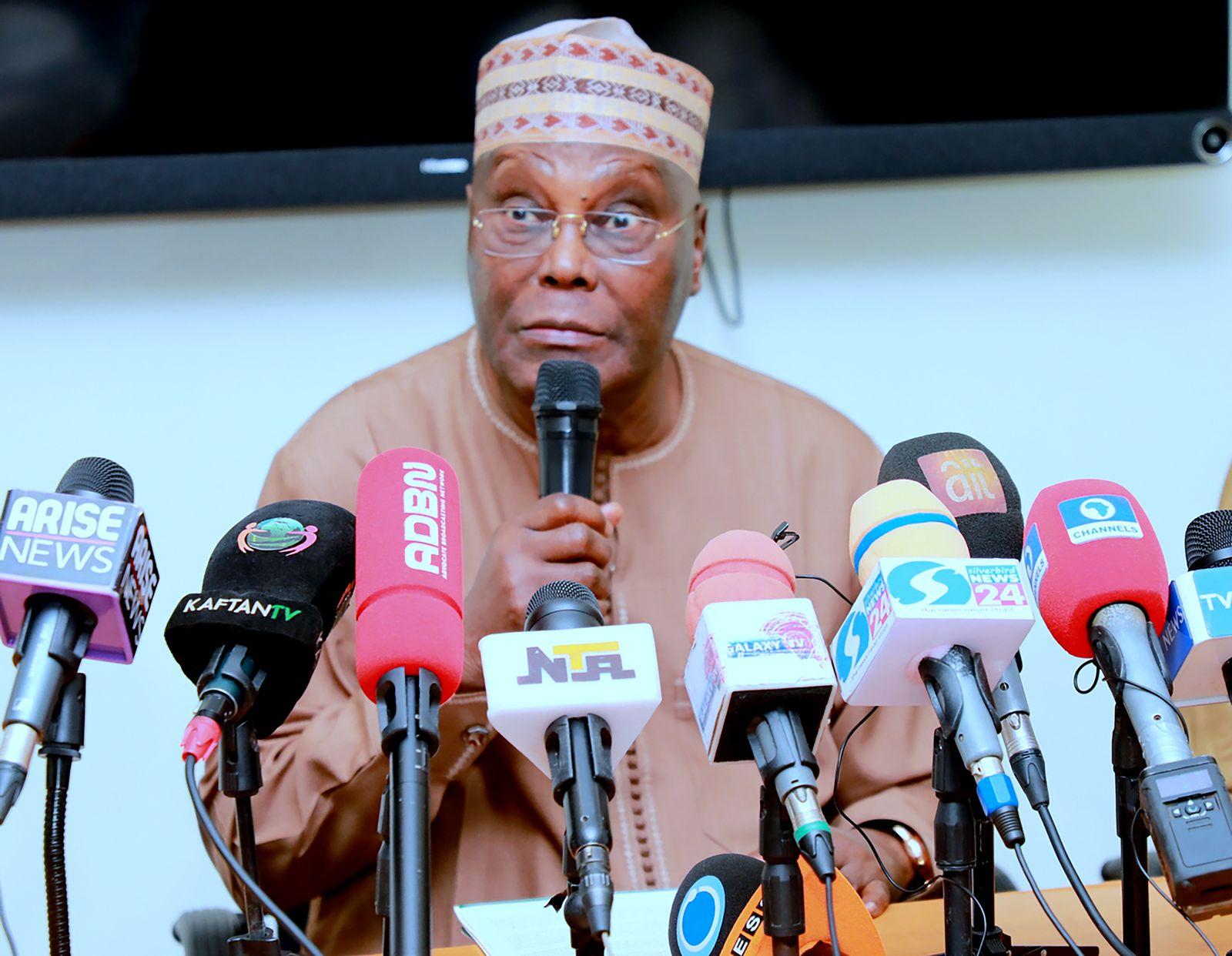
United States Dollars rate under PRESIDENT UMARU YAR’ADUA/GOODLUCK JONATHAN administration:
President Umaru Yar’Adua Administration (2007–2010)
- Start Rate: ₦128.29 per $1 (May 2007)
- End Rate: ₦149.99 per $1 (May 2010)
- Trend: Relatively stable with an average depreciation of about 5.5% annually
President Goodluck Jonathan Administration (2010–2015)
- Start Rate: ₦149.99 per $1 (May 2010)
- End Rate: ₦196.95 per $1 (May 2015)
- Trend: Mild depreciation during the first half, followed by mounting pressure leading up to the 2015 transition and subsequent policy adjustments.
PETROL PRICE under Umaru Yar’Adua/Goodluck Jonathan (2007–2010):
Petrol pump prices under President Umaru Yar’Adua government remained stable at ₦65 per litre, while under President Goodluck Jonathan, prices fluctuated between ₦87 and ₦141 per litre.
- ₦65 per litre: Shortly after taking office in June 2007, the Yar’Adua Administration reduced the pump price from ₦75 (set at the very end of the Obasanjo administration) down to ₦65 per litre.
- Stability: The ₦65 price remained unchanged throughout his tenure until his passing in May 2010.
PETROL PRICE under President Goodluck Jonathan Govt (2010–2015):
*January 2012 (₦141 per litre): The administration attempted a complete removal of the petroleum subsidy on January 1, 2012, which spiked the pump price from ₦65 to ₦141 per litre and triggered nationwide “Occupy Nigeria” protests.
*January 2012 (₦97 per litre): Following intense backlash and prolonged strikes organized by labor unions, the government backtracked and adjusted the price downward to ₦97 per litre
*January 2015 (₦87 per litre): Citing global crude oil price adjustments, the administration further reduced the pump price to ₦87 per litre in early 2015, which was the rate handed over to the succeeding administration.
Nigerians Standard of Living under PRESIDENT UMARU YAR’ADUA/GOODLUCK JONATHAN:
Nigerians experienced relatively higher purchasing power and economic stability during the Yar’Adua and Jonathan administrations compared to later decades
*Economic Growth and Per Capita Income:
- High GDP Growth: Nairametrics noted that Umaru Yar’Adua recorded a high average real GDP growth rate of ~7.13%, while Goodluck Jonathan averaged ~6.1%.
- Peak Per Capita: Premium Times reported that Nigeria reached its highest average per capita income under Jonathan ($2,792) and Yar’Adua ($2,138).
- GDP Peak: The country’s total GDP reached a historic peak of $568.5 billion in 2014 under Jonathan
*Inflation and Price Stability:
*Single-Digit Inflation: Inflation rates during parts of the Jonathan era hovered around relative lows (declining toward ~7.98% at points), much lower than the extreme spikes seen in the 2020s.
*Stable Naira: Foreign exchange rates were significantly more stable, with the official dollar-to-naira exchange rate maintaining single or double-digit values far removed from subsequent devaluations
*Subsidy Controversies: Fuel subsidy removal attempts in 2012 under Jonathan faced fierce nationwide resistance due to immediate cost-of-living concerns, illustrating how heavily households relied on subsidized pump prices.
*Employment and Poverty Metrics:
*Lower Unemployment: Statistical reports from the era placed open unemployment at lower single-digit or manageable thresholds compared to the severe joblessness reported in the 2020s.
*Purchasing Power: Staple goods, transportation, and basic services were far more affordable in nominal terms relative to average household earnings during this window
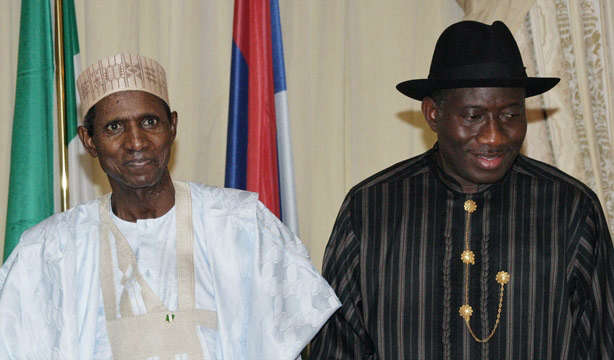
Nigerians Standard of Living under PRESIDENT GOODLUCK JONATHAN administration:
Nigerians experienced a relatively stable macroeconomic environment with higher purchasing power and the highest average per capita income since independence, though structural poverty and inequality remained significant.
*Economic Indicators:
- Average per capita income reached approximately $2,792, the highest since independence.
- The official exchange rate hovered around ₦150 to ₦187 per US dollar.
- Food prices were significantly lower, with a bag of rice selling around ₦6,500 to ₦7,000.
- The rebasing of the economy in 2014 made Nigeria officially the largest economy in Africa
*Standard of Living:
- Affordable Essentials: Fuel prices were lower (₦97 per litre after the 2012 partial removal), and transport costs were manageable.
- Youth & Job Initiatives: Programs like YOUWIN and SURE-P targeted job creation and entrepreneurial support.
- Education Expansion: Federal universities were established in states that lacked them, alongside transformations in basic education infrastructure
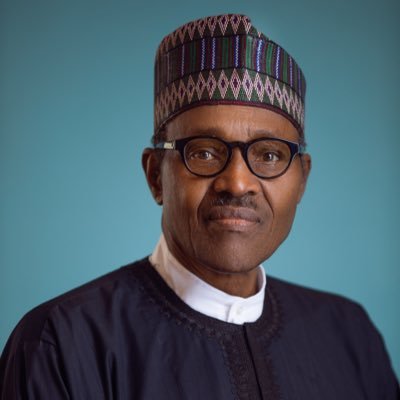
*United States Dollars rate under PRESIDENT MUHAMMADU BUHARI administration:
During President Muhammadu Buhari’s administration (2015–2023), the official exchange rate of the Nigerian Naira to the United States Dollar moved from approximately ₦197 to around ₦461–₦464 per $1.
*Key Economic Factors:
* Managed Float & Pegging: The Central Bank of Nigeria (CBN) heavily defended the Naira by pegging the official rate and rationing foreign exchange.
* Parallel Market Divergence: Strict controls created a wide gap between the official CBN rate and the parallel market rate, fostering high demand in informal channels
* Subsidies & Reserves: The administration spent significant reserves to maintain the managed official rate before handing over in May 2023. e and the parallel market rate, fostering high demand in informal channels
*Petrol Price under PRESIDENT MUHAMMADU BUHARI administration:
Under the administration of President Muhammadu Buhari (2015–2023), the pump price of petrol in Nigeria increased from ₦87 per litre at the start of his tenure to about ₦185–₦210 per litre by the time he left office.
*2015 (May): Inherited pump price at ₦87 per litre from the previous administration.
*2016 (May): Increased to ₦145 per litre following adjustments and partial subsidy removal.
*2020 (March–October): Fluctuated and adjusted through deregulated templates, moving from around ₦125–₦145 up to ₦161–₦170 per litre amidst changing global oil prices and market modulation.
*2021–2022: Rose gradually, hovering around ₦165 to ₦185 per litre in many parts of the country.
*2023 (May): Closed out his administration selling between ₦185 and ₦210 per litre (though often scarce and selling higher at private stations due to lingering supply queues).
Nigerians Standard of Living under PRESIDENT MUHAMMADU BUAHRI:
The standard of living for most Nigerians declined significantly during President Muhammadu Buhari’s two terms in office (2015–2023), driven by soaring inflation, rising unemployment, and a sharp increase in poverty.
*Key Economic Indicators:
- Poverty Rate: Rose from 40.1% to 63% of the population, leaving 133 million Nigerians in multidimensional poverty.
- Inflation: More than doubled, ending his administration at around 22.4%, which severely eroded household savings and purchasing power.
- Exchange Rate: The naira depreciated sharply from roughly ₦192.64 per dollar in 2015 to over ₦461 per dollar by 2023.
- National Debt: Surged from ₦12.06 trillion in 2015 to nearly ₦49.85 trillion in 2023, causing debt servicing to consume up to 96% of federal revenue.
- GDP per Capita: Dropped from roughly $2,720 in 2015 to around $2,360 by 2022 due to population growth outpacing economic output.
*Contributing Factors:
*Macroeconomic Instability: The country suffered through two economic recessions (in 2016 and 2020) caused by oil price shocks and rigid monetary policies.
*Insecurity: Widespread violence, particularly in the food-producing northern regions, forced many farmers off their land and spiked food prices
*Mixed Infrastructure & Social Interventions: While the administration invested heavily in physical infrastructure and introduced social programs like N-Power and conditional cash transfers, analysts and fact-checkers noted these efforts failed to match the scale of the economic crisis or meaningfully lift everyday living standards.
Nigerian Masses eating from the Refuse Bins:
On the pain, suffering the masses are presently going through, the Nigeria Labour Congress (NLC) stated that severe economic hardship under President Bola Tinubu’s administration has driven some desperate citizens to scavenge for food in waste bins.
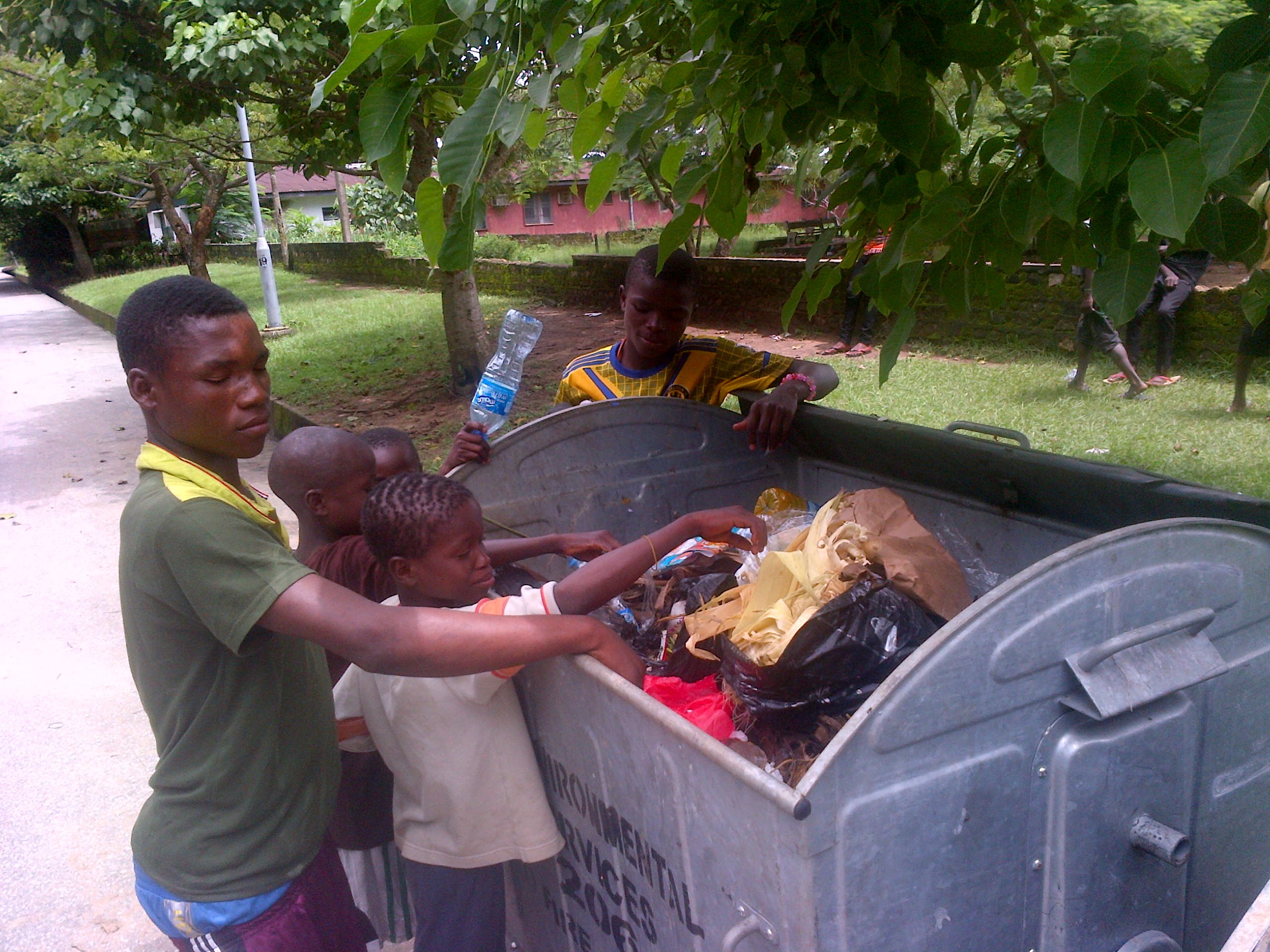
NLC President Joe Ajaero stated in public addresses that soaring costs of living have left many families struggling to afford one meal a day. He noted that extreme poverty has worsened to the point where some citizens resort to looking for food in garbage bins.
Labor unions and economic analysts attribute the sharp rise in poverty and food insecurity to major economic reforms.
The removal of the petrol subsidy and the devaluation of the naira caused rapid inflation, sharply increasing the cost of food and basic goods across Nigeria.
At this juncture, Nigeria is at a crossroad, and for voters to make a clear, objective and informed decision on the right presidential candidate to vote for in the 2027 election, it is important to closely look at THREE PRESIDENTIAL CANDIDATES & their POSITION ON FUEL SUBSIDY:
- President Bola Ahmed Tinubu, Presidential Candidate of All Progressives Congress (APC) in 2027 Election.
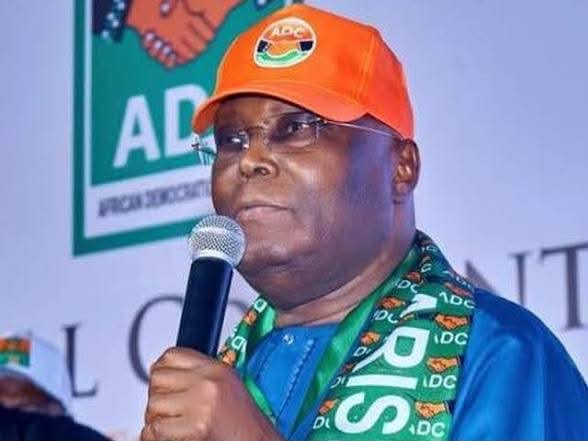
- Alhaji Atiku Abubakar, former Vice President, Presidential Candidate of African Democratic Congress (ADC) in 2027 Election.
- Peter Obi, former Governor of Anambra State, Presidential Candidate of Nigeria Democratic Congress (NDC) in 2027 Election.
BOLA AHMED TINUBU APC PRESIDENTIAL CANDIDATE POSITION ON FUEL SUBSIDY:
Nigeria’s President Bola Ahmed Tinubu maintains a firm position that the fuel subsidy regime is permanently abolished, stating that reversing the policy would lead the country back to economic unsustainability and potential bankruptcy.
Core Stance:
- Abolition Confirmed: Announced the removal during his May 29, 2023, inaugural address with the declaration “subsidy is gone”.
- No Reversal: Rejected recent opposition calls to restore the subsidy, describing such proposals as a “siren song”.
- Saved from Bankruptcy: Asserted that removing the subsidy rescued Nigeria from imminent fiscal collapse
Promised Alternative Mitigations:
- CNG Transition: Pushing for Compressed Natural Gas (CNG) adoption as a cheaper energy alternative to lower transport and living costs.
- Palliatives and Reforms: Focusing savings on infrastructure, public welfare, and addressing broader inflation pressures
ATIKU ABUBAKAR, ADC PRESIDENTIAL CANDIDATE POSITION ON FUEL SUBSIDY:
Atiku Abubakar plans to restore a targeted fuel subsidy to ease economic hardship for Nigerians if he is elected president.
Core Position:
*Restoring Support: Atiku stated that he will bring back a targeted fuel subsidy because the abrupt removal of the previous policy severely increased poverty, transport fares, and food prices. Atiku stated that his position has not changed and that he plans to bring back a targeted, transparent subsidy for products refined in Nigeria.
*Production Subsidy: His running mate, Rotimi Amaechi, explained that their approach focuses on supporting locally refined petroleum through a production subsidy rather than funding an import racket.
*Fiscal Caps: The proposed framework aims to set a clear annual budget limit for the subsidy instead of open-ended spending.
* Proposed Plan:
*Local Refining Support: Atiku stated the subsidy would apply only to petroleum products refined within Nigeria to support local production and lower transport and food prices.
* Spending Limits: His proposed program would include a fixed budget limit, require approval from the National Assembly, and face independent audits.
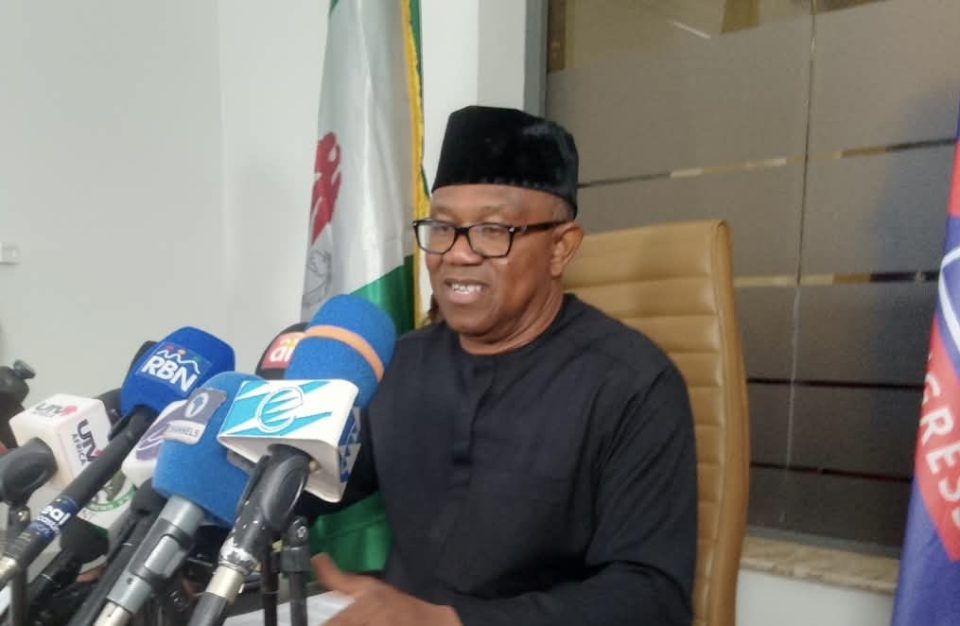
PETER OBI, NDC PRESIDENTIAL CANDIDATE POSITION ON FUEL SUBSIDY:
Nigeria Democratic Congress (NDC) presidential candidate Peter Obi stated in September 2026 that he will restore the fuel subsidy if elected in 2027, after first stopping corruption in the sector.
*Previous Position (2023–August 2026):
- Called the fuel subsidy an organized crime.
- Supported the initial removal of the subsidy.
- Argued savings should fund health and education.
- Opposed bringing the subsidy back
Current Position (2026 Shift):
- Announced during a Sokoto town hall meeting.
- Plans to reinstate the subsidy.
- Requires clearing corruption first.
- Aims for a transparent subsidy system
Richard N. Haass, a well-respected philosopher said, “Speaking truth to power is actually a form of loyalty”. And living the truism of the word of Nelson Mandela, the legendary Africa’s great Democrat and former South African President, which states that “Human compassion binds us together, transforming common suffering into hope for the future, framing hardship as a bond of solidarity rather than pity,” Atiku yesterday touched by the dire need to have a first hand experience of the challenges faced by millions of Nigerians at the fuel stations, made a surprise visit to one of such, without fierce-looking armed escorts, sirens to truly feel the pulse of the people, mingle with them freely and understand what Nigerians are going through, Atiku did not rely on reports or briefings or air conditioned office press releases.
An eyewitness account and video seen by this reporter saw how Atiku went directly to a petrol station to see the price of fuel for himself, accompanied by his Vice-Presidential Candidate, Rotimi Amaechi.
“The moment Atiku stepped out of his vehicle, the entire filling station came alive. People gathered around him, hailing, cheering and celebrating his presence.
“That spontaneous reception speaks to the warmth and acceptance he enjoys among many Nigerians. It is a reminder that people want leaders who are willing to step out of their offices, listen to them, understand their struggles and experience their reality firsthand.
“Leadership is not just about receiving reports. Sometimes, you sacrificially have to go to the streets, feel the pulse of the people and see things for yourself. Atiku is certainly showing what it means to stay connected to the people,” added Ala Bruce.
Having said all the above, an African adage says: “A beautiful calabash does not force the hands to drink from it”, as such the speech made by President Tinubu that Nigeria has passed through its own “Red Sea” of painful economic reforms and now entering an age of shared prosperity during his 66th Independence Day address on October 1, 2026 is a contradiction and sharp contrast to the reality, poverty millions of homes in Nigeria are struggling with on a daily basis, even though the masses are suffering and smiling in their “Sorrows, Tears and Blood”, as Fela Anikulapo Kuti, the Iconic Afrobeat maestro would always sing.
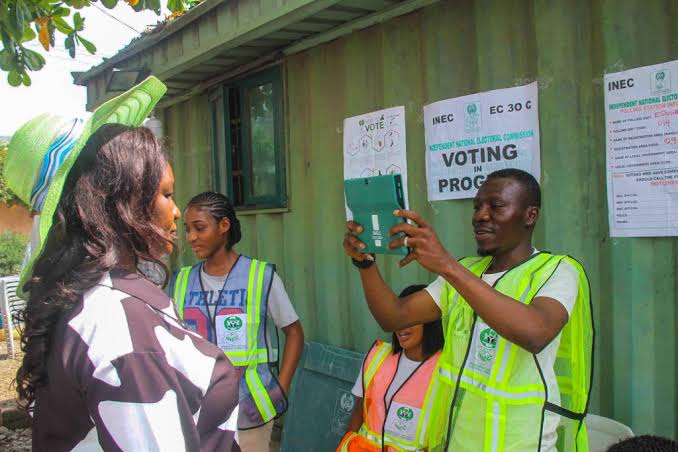
Your vote is your power; your vote is your chance to elect a leader of your choice by looking at all their performances and how their actions will impact your life if you give such person your well-guarded franchise-vote.
Before you go to the polls, or before you cast your vote, ask yourself these few questions:
Are we better now in Nigeria than four years ago? Are Nigerians standard of living better now than eight years ago? Is the price of food cheaper now than 12 years ago? Is the price of petrol, the value of Naira compared to U.S dollar better now than 16 years ago? Is the price of cement or house rent payment better now than 16 years ago?
If your ANSWERS are NO, then TINUBU MUST GO at the polls, since millions of Nigerians are confident the best presidential candidate with the most impactful electoral, human-face policies as itemised above will win, all emotional blackmail aside, because we are all facing the true economic reality and tired of “we will do that, we will do this.”
*OTUMU is the Executive Editor & Group Managing Director, Naija Standard Newspaper Inc USA, Recipient: 2025 Global Recognition World Class Investigative Journalism Award, USA and can be reached directly at elijahotumu@yahoo.com
DONATE TO HELP BUILD A SPECIAL APPS FOR JOURNALISTS AGAINST LIVER ELEVATION & KIDNEY FAILURE:
CERTAINLY, Good journalism costs a lot of money. Without doubt, only good journalism can ensure the possibility of a good society, an accountable democracy, and a transparent government. We are ready to hold every corrupt government accountable to the citizens. To continually enjoy free access to the best investigative journalism in Nigeria, we are requesting of you to consider making a modest support to this noble endeavor.”
By contributing to NAIJA STANDARD NEWSPAPER, you are helping to sustain a journalism of relevance and ensuring it remains free and available to all without fear or favor.
Your donation is voluntary- please decide how much and how often you want to give.
FOR OFFLINE OR ANONYMOUS DONATION ON THIS PROJECT OR HELP COVER COST FOR SERIES OF UNDERCOVER REPORTING IN INVESTIGATIVE JOURNALISM, DO PAY DIRECTLY FROM ANYWHERE IN THE WORLD TO: UNITED STATES LEAD BANK, CHECKING ACCOUNT NUMBER: 213799651654 OR NIGERIA BANK NAME-MONIEPOINT *BANK ACCOUNT NUMBER: 7076577445
Feel free to send us an email: letters@nigeriastandardnewspaper.com or call us directly at +2347076577445 (Nigeria) or WhatsApp American Roaming Mobile Number: +16825834890 (Chat messages only available)
donation
