




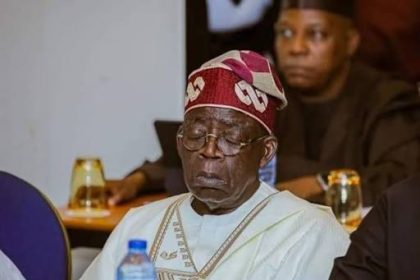
NIGERIA is Africa’s most populous black nation in the entire world, blessed with both human, material and mineral resources. Yet, amid plenty, only few are rich, most Nigerians live in penury. Latest reports indicate 63% of Nigerians (about 140 million people) live below the poverty line under Asiwaju Bola Ahmed Tinubu, president of the country with the World Bank reporting that roughly 79% (about 139 million people) face poverty or vulnerability to it.
While millions struggle with high food inflation and weak real wages, a tiny fraction of the population holds disproportionate wealth. Data from organizations like Oxfam International highlights that just a handful of the country’s wealthiest individuals hold billions in combined assets, reflecting a severe wealth divide.
The World Bank’s Country Partnership Framework indicates that 63% of Nigerians live below the poverty line, 33% are classified as ultra-poor (unable to meet minimum food needs), and 79% overall are poor or vulnerable.
A research study by Agora Policy (supported by NEST and the UK’s FCDO) found that the national poverty headcount rose from 49.8% prior to the reforms to roughly 63.3% following the removal of petrol subsidies and electricity tariff adjustments.
Only recently, the Presidency and Special Adviser Daniel Bwala acknowledged that economic reforms (such as subsidy removal and foreign exchange unification) have temporarily pushed more Nigerians into poverty, while maintaining that the policies are necessary for long-term macroeconomic stability.
Sadly, the present administration entirely live on loans and borrowing from the World Bank and the International Monetary Fund (IMF), global bodies discovered to have become ‘twin enemies of Nigeria’s progress’, since it gladdens them at anytime to lure countries into debts, and hold overwhelming pressures around their heads, thereby placing unsolicited burden on generations of Nigerians to continue to service their payments.
In April 2014, long after President Olusegun Obasanjo and former Vice President, Atiku Abubakar left office, under President Jonathan’s administration following a Gross Domestic Product (GDP) rebasing exercise by the National Bureau of Statistics that updated the country’s baseline economic data to include previously unmeasured sectors like telecommunications, Nollywood, and retail, Nigeria made history when it became Africa’s largest economy.
Nigeria’s Total Public Debt as at June 30, 2023
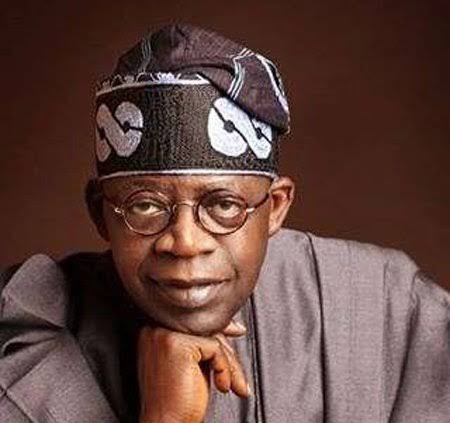
The Rebasing in 2014: In the same month, that year, Nigeria rebased its GDP for the first time in 24 years, updating its base year to 2010 to reflect changes in the structure of the economy (such as the rise of telecommunications, Nollywood, services, and manufacturing).
Overtaking South Africa: The recalculation then increased Nigeria’s estimated GDP by nearly 89% to over $500 billion (peaking around $510 to $574 billion depending on the exact metric and year), allowing Nigeria to surpass South Africa as the largest economy on the continent.
Global Ranking: Following this adjustment, Nigeria was also recognized as one of the top 30 largest economies in the world.
But under President Bola Ahmed Tinubu government since May 29, 2023, till date, Nigeria is ranked as Africa’s 8th most investable economy in the 2026 Bloomberg Economics Investment Risk-O-Meter and ranks 55th globally in economic performance according to the 2026 IMD World Competitiveness Ranking.
*Africa Position:
- Investment Attractiveness: Nigeria jumped four places to 8th position out of 19 African economies assessed in the Bloomberg Economics Investment Risk-O-Meter, making it the biggest climber on the index due to gains in fiscal and economic strength.
*Global Economic Performance: Nigeria ranks 55th globally in economic performance within the IMD World Competitiveness framework.
During President Tinubu’s first year in office (from May 29, 2023, to May 29, 2024), the Federal Government of Nigeria engaged in significant domestic and external borrowing to manage budget deficits and fund development projects, alongside massive domestic issuances through the Central Bank of Nigeria.
*External Loans & Multilateral Approvals (May 2023 – May 2024):
Key external loans approved or initiated during this 12-month window primarily came from the World Bank and its affiliates:
June 2023: $750 million approved for the Power Sector Recovery Operation.
June 2023: $500 million approved for Women’s Empowerment (Nigeria for Women Project Scale-Up).
July 2023: $800 million approved for the National Social Safety Nets Program (Post-fuel subsidy palliative support).
September 2023: $700 million approved for Adolescent Girls Initiative for Learning and Empowerment (AGILE) / Education.
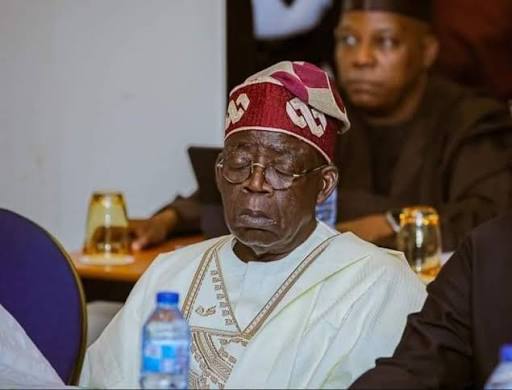
Nigeria’s Total Public Debt as at December 31, 2025
May/June 2024 (Late in the first-year window): Additional World Bank financing packages began moving toward final board approvals (such as the $2.25 billion economic stabilization/reform program approved shortly after May 2024).
*Domestic Borrowing:
Nigerian Treasury Bills (NTBs) & Bonds: According to data from the Debt Management Office (DMO) and the Central Bank of Nigeria (CBN), the Federal Government aggressively utilized domestic debt instruments-particularly Nigerian Treasury Bills-borrowing approximately ₦20.09 trillion in the 12-month period ending May 31, 2024 (a year-on-year increase of over 117% compared to the preceding 12 months).
Total Public Debt Stock Progression: Nigeria’s overall public debt (combining federal, state, and FCT domestic and external debts) moved from about ₦87.38 trillion at the end of June 2023 to significantly higher thresholds over the course of 2024 as these domestic and international financing channels were drawn down.
Between May 29, 2024, and May 29, 2025, President Tinubu’s administration requested, begged and secured major domestic and external loans to fund budget deficits, infrastructure, and economic reforms.
*Key Loans and Financing Secured / Requested (May 2024 – May 2025):
World Bank $2.25 Billion Loan: Approved in June 2024 to support macroeconomic stability and economic reforms.
World Bank $2.23 Billion / $2.35 Billion Package: Additional multi-sectoral World Bank project loans (targeting power, healthcare, agriculture, and education).
$6 Billion External Loan Plan: Approved by the National Assembly for budget implementation, infrastructure upgrades (including Lagos ports), and debt refinancing (featuring facilities from international and regional partners like First Abu Dhabi Bank and Citibank).
2025–2026 External Borrowing Plan ($21.5 Billion & Equivalents): Formally submitted to the National Assembly in May 2025, comprising roughly $21 billion alongside €2.19 billion, 15 billion Japanese Yen, and a €65 million grant to close fiscal gaps.
Domestic Foreign-Currency Debt & Bond Requests: Included a request to raise up to $2 billion through domestic US dollar-denominated instruments and ~₦758 billion in bonds to clear pension liabilities.
*Debt Profile Context:
Total Public Debt: Nigeria’s total public debt climbed past ₦144 trillion ($94+ billion) by the end of December 2024, with the Tinubu administration accounting for a significant portion of new domestic and foreign debt additions driven by exchange rate depreciation and fresh credit lines.
Between May 29, 2025, and September 09, 2026, the incumbent government presented several major external and domestic borrowing requests to the National Assembly to finance budget deficits, offset pension obligations, and support large-scale infrastructure projects.
The primary loan packages approved or requested during this period include:
*The 2025–2026 External Borrowing Plan:
Initially requested in late May 2025 and formally approved by the National Assembly in July 2025, this package is the largest borrowing initiative of the period. It comprises:
$21.19 billion (or $21.5 billion in initial requests) in direct foreign loans, €4 billion and ¥15 billion from foreign sources; $65 million in grants.
$2 billion to be raised via foreign-currency-denominated instruments within the domestic debt market.
₦757 billion in local bonds to settle outstanding pension liabilities under the Contributory Pension Scheme.
*Note: An additional $347 million amendment to this plan was requested and approved in July 2025 specifically to provide extra funding for Phase 1 of the Lagos-Calabar Coastal Highway and the Nigeria Universal Communications Access Project (7,000 telecom towers).
*The March/April 2026 Infrastructure Loans:
In March and April 2026, the National Assembly approved a fresh $6 billion to $6.9 billion foreign loan facility.
$5 billion sourced from the First Abu Dhabi Bank and $1 billion from United Kingdom Export Finance.
This financing is targeted at supporting the revised 2026 budget (which expanded by ₦9 trillion) and rehabilitating decaying structures at the Tin Can Island and Lagos Port Complexes.
*Sokoto–Badagry Superhighway Loan (April 2026):
In late April 2026, the National Assembly approved a targeted $516.3 million loan request. These funds are allocated to finance Section 1 (Phases 1A and 1B) of the Sokoto–Badagry Superhighway project.
Nigeria’s Total Public Debt as at June 30, 2026
*Economic Impact of Tinubu’s Administration:
Debt-to-GDP and Profile: These aggressive fiscal moves drove Nigeria’s total public debt past the ₦150 trillion threshold by mid-2026.
Debt Servicing Strain: The administration estimated that external debt servicing would climb significantly, with approximately $11.6 billion projected for debt service obligations in the 2026 fiscal cycle-consuming nearly half of expected federal revenues.
Administration Justification: President Tinubu heavily defended the borrowing streak, declaring that “borrowing is not leprosy” and maintaining that strategic debt is a necessary mechanism to pull the nation out of infrastructure deficits and drive long-term economic growth.
Debt Management Office (DMO) verdict on Tinubu’s Presidency Loans & Borrowing:
The debt management office on President Tinubu loans since May 2023 to September 09, 2026, are stated below (unredacted):
Initial Debt Inherited (May 2023): Upon assuming office on May 29, 2023, President Bola Ahmed Tinubu’s administration inherited a total public debt of approximately ₦87.38 trillion (or around $113 billion in combined domestic and external debt) from the previous administration, which included the securitization of NGN 22.71 trillion in Central Bank of Nigeria “Ways and Means” advances.
Debt Growth (May 2023 – Mid/Late 2026): According to data released by the Debt Management Office (DMO) and economic reports, Nigeria’s total public debt has climbed substantially:
Reached ₦144.67 trillion ($94.23 billion) by the end of December 2024.
Reached ₦159.28 trillion as of April 2026.
Surged to a record ₦166.79 trillion by the end of June 2026, driven by continuous domestic and external borrowings, including World Bank facilities and newly approved legislative loan requests.
*Major Recent Borrowings & Requests (2025–2026):
March/April 2026: The National Assembly approved $6 billion in foreign loans ($5 billion from First Abu Dhabi Bank and $1 billion from UK Export Finance) targeting infrastructure projects like the Tin Can Island and Lagos Port complexes.
Mid-2026 Requests: President Tinubu submitted additional external/domestic borrowing proposals (including packages scaling up towards multi-billion dollar/naira tiers for the 2025–2026 borrowing and infrastructure plans), alongside ongoing World Bank negotiations for climate, social protection, and early childhood development loans ($500 million per tranche).
Debt Servicing Burden: The proposed 2026 Appropriation Bill earmarks ₦15.52 trillion (or roughly $11.6 billion) solely for debt servicing, which commands a massive portion (nearly 27% to nearly half) of the federal government’s projected annual revenue.
Administration’s Stance: President Tinubu has defended the borrowings as a necessary, standard economic tool for bridging critical infrastructure gaps and financing national development rather than a “stigma,” emphasizing disciplined utilization and reform efforts, while critics and private-sector groups (such as the Alliance for Economic Research and Ethics) express alarm over the rapid velocity of debt accumulation.
According to African customs and traditions, debts turn into slavery for an unborn child through a mechanism known as generational debt bondage or intergenerational pawnship, where a child’s future labor or freedom is legally or culturally pledged by their parents as collateral before birth.
Nigeria’s relationship with the International Monetary Fund (IMF) and the World Bank often feels like a “debt trap” because harsh economic conditions and heavy debt-servicing drain public resources away from local development.
*How the Debt Pressure Works from World Bank & IMF:
- Foreign Currency Repayment: Loans must be repaid in hard currencies like U.S. dollars. When the naira devalues, the real cost of servicing the debt spikes dramatically.
*Re-borrowing and Accumulation: Even as Nigeria pays off specific old debts (such as clearing past IMF credits or making partial repayments), total obligations-particularly to the World Bank and other external creditors-have continued to swell into tens of billions of dollars (surpassing $45 billion in external obligations).
*Diverted Revenue: A massive portion of national revenue goes toward debt servicing rather than building schools, hospitals, power grids, or roads.
*Domestic Governance: Many economists also note that local corruption, wasteful government spending, and the failure to industrialize homegrown economic policies amplify the damage caused by foreign prescriptions.
These huge debts have awakened the regrettable narrative of slave trade in Nigeria which spanned both internal systems and the global Atlantic and trans-Saharan trades before being gradually suppressed and abolished by British colonial administration by the 1940s.
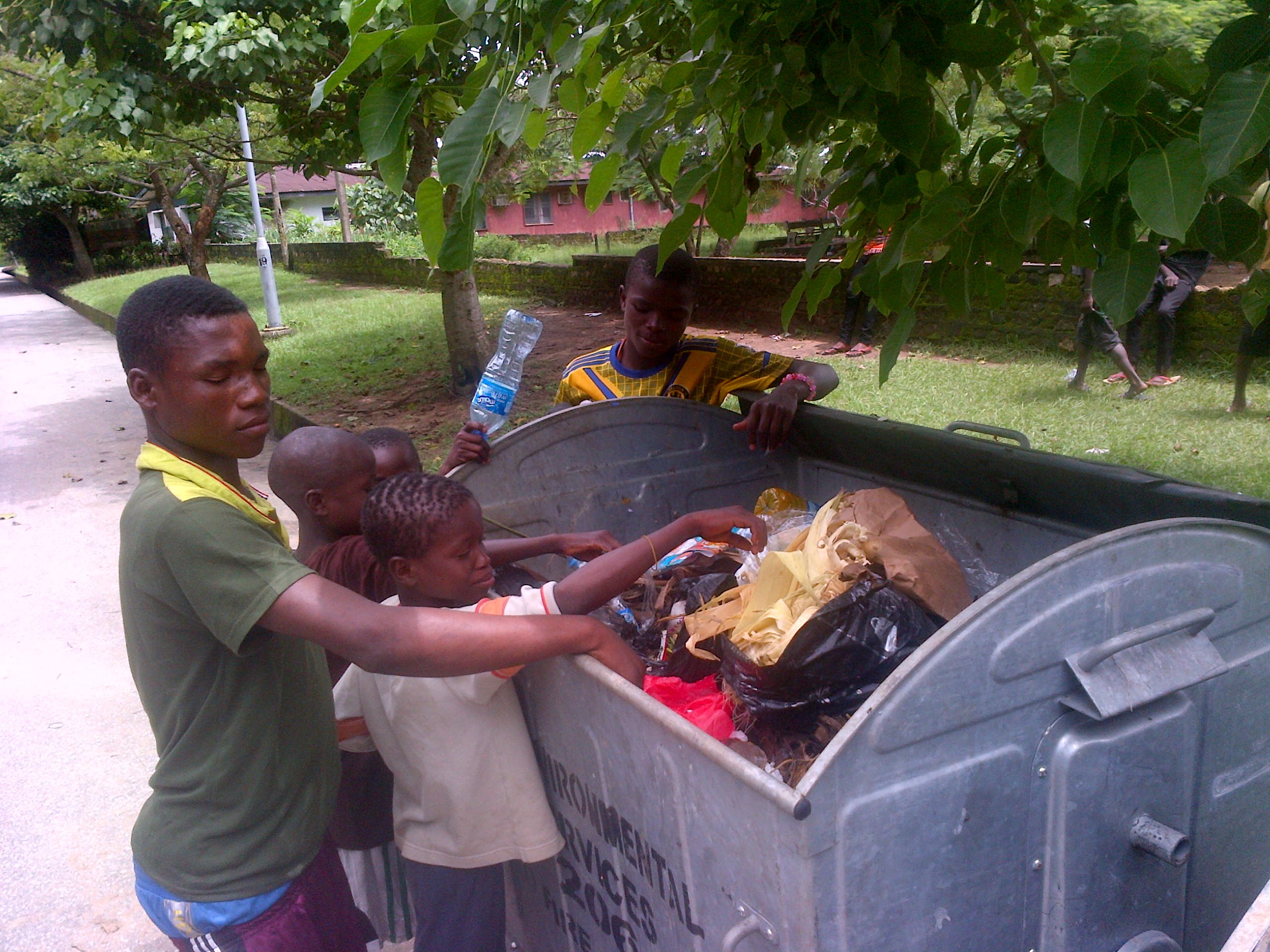
At this juncture, the population of Nigeria listed as 243,578,259 people, according to live estimates based on United Nations data have been pushed to the wall and had enough of mostly living from hands to mouth: where a parent cannot afford the school fees of the children, cannot pay medical fees of their sick kids, weep all through the night seeing their children go to bed hungry on empty stomach; farmers can’t bring their products from the farm to the market, children trek long distances to school based on the profligacy, desperate ambitions of public office holders to retain power at all costs, damning the consequences of its after-effect policies on the masses.
Without looking into a crystal mirror, metaphorically, a blind man can easily ‘feel the enormity of the suffering of the populace’ with his white cane under the administration of President Tinubu, such that when he deploys his Long Cane (Mobility Cane) which he regularly use as lightweight cane, he could sweep back and forth to detect obstacles, steps, and changes in the ground ahead, as in the economy of the nation going forward.
If this trend continues, in the name of saving huge revenues in Nigeria’s Foreign Reserves, with the present petrol price by the Federal Government in its concluded discussion with Nigerian National Petroleum Company Limited (NNPCL) pegged at N1,350, and Asiwaju Tinubu returns to power, certainly the fuel price would not remain as it were but astronomically jumped up far beyond the reach of the masses to a position where the “rich also cry”.
Since you cannot give what you don’t have and it is clear that this is the best Asiwaju Tinubu could give Nigerians, and power belongs to the people in any Democracy, the only option available for the masses is not to sit idle, but go out and vote like never before to end the on-going nightmare because “the only constant thing in life is change” meaning that transformation is the sole absolute rule of existence, and everything will inevitably move, evolve, and not stay still the way it is at the moment.
The Editorial Board of NAIJA STANDARD NEWSPAPER INC USA in Texas fully support Nigerians’ right to lawfully vote a compassionate, visionary, active leader of their choice with humane manifesto to lead the nation out of the woods of economic stagnancy come January 16, 2027.
DONATE TO HELP BUILD A SPECIAL APPS FOR JOURNALISTS AGAINST LIVER ELEVATION & KIDNEY FAILURE:
CERTAINLY, Good journalism costs a lot of money. Without doubt, only good journalism can ensure the possibility of a good society, an accountable democracy, and a transparent government. We are ready to hold every corrupt government accountable to the citizens. To continually enjoy free access to the best investigative journalism in Nigeria, we are requesting of you to consider making a modest support to this noble endeavor.”
By contributing to NAIJA STANDARD NEWSPAPER, you are helping to sustain a journalism of relevance and ensuring it remains free and available to all without fear or favor.
Your donation is voluntary- please decide how much and how often you want to give.
FOR OFFLINE OR ANONYMOUS DONATION ON THIS PROJECT OR HELP COVER COST FOR SERIES OF UNDERCOVER REPORTING IN INVESTIGATIVE JOURNALISM, DO PAY DIRECTLY FROM ANYWHERE IN THE WORLD TO: UNITED STATES LEAD BANK, CHECKING ACCOUNT NUMBER: 213799651654 OR NIGERIA BANK NAME-MONIEPOINT *BANK ACCOUNT NUMBER: 7076577445
Feel free to send us an email: letters@nigeriastandardnewspaper.com or call us directly at +2347076577445 (Nigeria) or WhatsApp American Roaming Mobile Number: +16825834890 (Chat messages only available)
donation
